In the area surrounding Mount Airy, MD, just west of Baltimore and north of Washington, DC, you’ll find some open space—more than in other parts of this region, for sure—and a few historic farms. You’ll also find traffic congestion, McMansion developments, and sprawling suburban shopping areas.
It’s among the farms and open space that Steve and Suzanne Quarles have made their 250-acre Hanoverian breeding facility home; and it’s because of the traffic, encroaching housing, and abundant suburban services that they’ve chosen to protect it. The Quarleses worked with Maryland Environmental Trust (MET)—of which Steve is a board member—to put their Some Day Soon Farm into a conservation easement. Like an increasing number of horse owners, they recognize the threat that land development is making to their equine interests, and they decided to take action.
 |
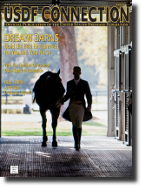
Horse people love to think big, especially when it comes to their dream barn. But sometimes the polish on the brass gets in the way of the practical.
Above all else, your facility needs to be a safe, healthful environment for horses and humans alike. Beyond that, what’s perfect for someone else might not work for you and your equestrian needs. In this article, we’ll hear real-life barn-building stories and cautionary tales from a design expert as well as a dressage pro.
|
|
|






 Watch for our web icon in the magazine. When you see this icon in the magazine, click on it to see exclusive bonus content.




















 THE JUDGE'S BOX






 HISTORICAL CONNECTION
 HORSE-HEALTH CONNECTION